February 1, 2026
Why showing up still matters: What CES and NRF signal for the next phase of OOH and DOOH
By Nick Coston
Starting the new year with two of the year’s largest industry events was a powerful way to reset and recalibrate. While neither the Consumer Electronics Show (CES) in Las Vegas nor the National Retail Federation (NRF) Show in New York was laser-focused on out-of-home media, roughly 15% of the exhibits at each event intersected with OOH, DOOH, and retail media enough to give anyone in our space plenty to think about. Together, they drew more than 190,000 professionals—around 145,000 at CES and another 45,000 at NRF. Big numbers, big spaces, and booths so elaborate they felt closer to Broadway productions than trade show exhibits.
The dominant themes were predictable: electronics, AI, robotics often impressive, sometimes redundant. Most of us arrived knowing there wouldn’t be many true surprises. But the real value of these shows isn’t always in what’s new on the floor.
What struck me this year was less about individual products and more about the direction in which our medium is moving, and how mainstream trends are converging on OOH and DOOH in ways that matter strategically for media owners, agencies, and advertisers alike.
At both CES and NRF, the emphasis was heavily on electronics, artificial intelligence, robotics, and experiential technology not surprising in and of itself. What’s important for us is how that emphasis intersects with how audiences are interacting with brands outside the home. CES remains a premier showcase for where technology is headed; NRF, on the other hand, showed where technology meets commerce. The link between these two environments is precisely where OOH and DOOH have begun to demonstrate measurable impact.
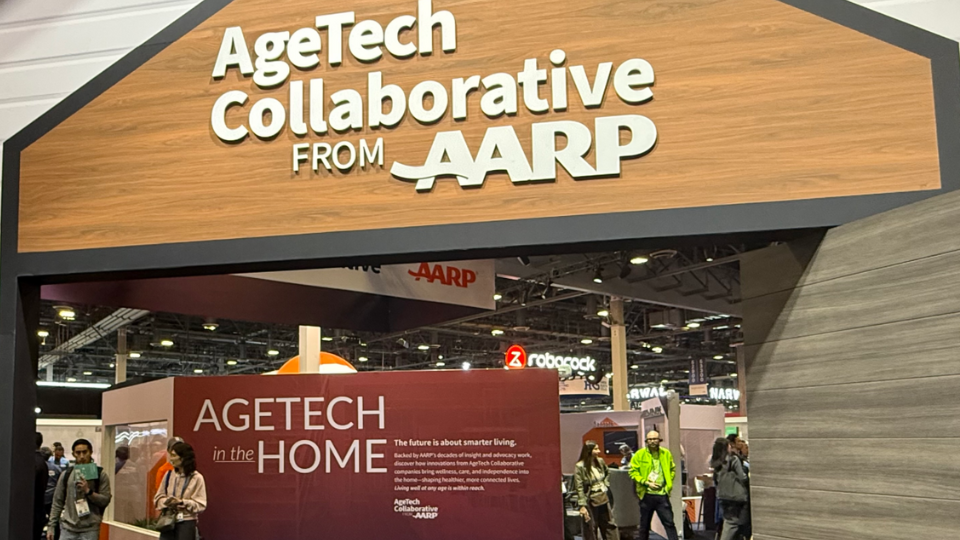
But let’s be honest: walking miles of convention floor is only part of the experience. The real value is in the people industry writers, consultants, vendors, and especially brand and agency strategists who are looking for “what’s next.” In that sense, the overwhelm isn’t a bug it’s the point. Immersion forces perspective.
OOH & DOOH: Momentum You Can Measure
Data from the Out of Home Advertising Association of America (OAAA) shows the U.S. OOH industry continues to grow its highest-ever Q1 revenue at nearly $2 billion and 16 consecutive quarters of growth through 2025. Digital OOH alone accounted for more than 34 % of that spend, growing double-digit year-over-year an indicator that digital formats aren’t just bigger; they’re becoming central to outdoor ad strategies.
Behind those numbers is a deeper shift: OOH is no longer just a mass-reach medium; it’s a data-informed, dynamic engagement platform. Programmatic DOOH is rapidly scaling, and in the U.S. alone, programmatic spend has increased dramatically, with automated buying outpacing many traditional sales channels as advertisers seek real-time flexibility and contextual relevance.
Those industry metrics aren’t abstract, they directly map to what we saw on the show floors and in conversations. Brands and agencies are bringing measurement expectations to OOH that historically were reserved for digital channels. They want proof of impact, data-driven planning, and integration with mobile and retail ecosystems.
What We Learned at CES; Beyond the Surface
CES isn’t usually where you go to see finished, deployable OOH tech. It’s where you see themes before they mainstream. AI-driven personalization, connected experiences, and immersive retail environments were everywhere, a signal that advertisers are increasingly treating physical and digital touchpoints as a unified ecosystem.
A striking pattern wasn’t just in the hallways, it was in the social spaces around the event. Hospitality suites and curated dinners became strategic extensions of the show floor, where meaningful business conversations happened without the sensory overload that hall aisles bring. Many peers I spoke with never entered the official show halls at all. They were there for the connections and ultimately, those connections lead to actionable opportunities: meetings, follow-ups, demos, proposals. That’s where the business gets done.
NRF: Where Retail Meets Engagement
The NRF Show was different. Held entirely in the Javits Center, it kept retail innovation front and center. The focus here wasn’t “wow it was what works. Store-level tech, contextual engagement platforms, and real-world commerce solutions dominated conversations. Retailers are increasingly leveraging DOOH as part of unified commerce strategies, using screens not just to attract attention but to drive purchase decisions inside physical stores.
Examples like interactive track experiences and e-paper poster stands show how technology is being used to enhance, not just decorate, the retail journey. These applications are emblematic of how DOOH must perform across environments that drive revenue transit hubs, malls, food courts, high-traffic store zones not just impression counts.
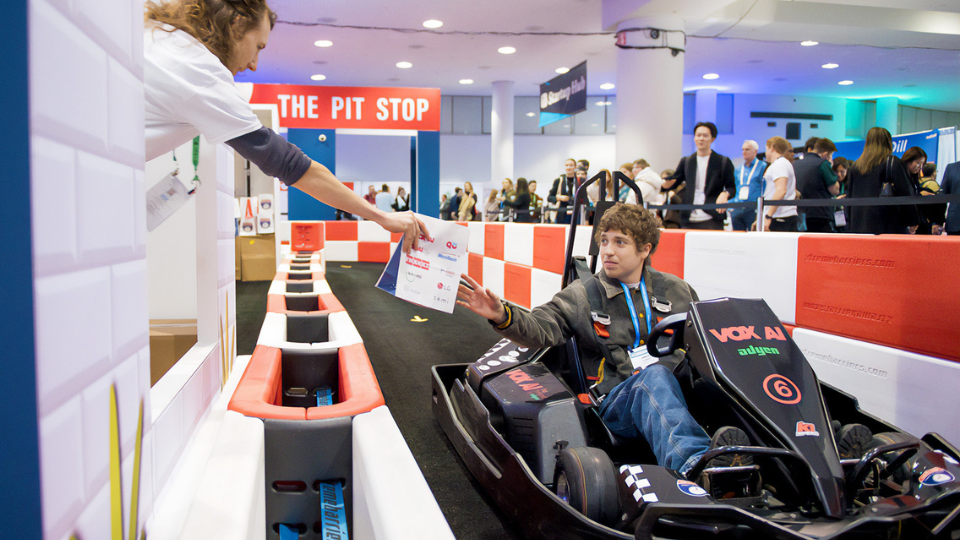
The Pit Stop, by The Howard Company
Looking Ahead: What This Means for OOH & DOOH
The signals from these January shows point to a few key strategic priorities for our industry:
- Growth remains strong: OOH revenue continues to rise, and digital formats are driving a disproportionate share of that growth.
- Programmatic and data integration are no longer experimental, they’re expected outcomes for large advertisers.
- Personalization and context matter: AI adoption, real-time triggers, and dynamic content are becoming baseline features, not buzzwords.
- Retail integration accelerates DOOH utility: Screens that connect physical and digital consumer paths either through mobile touchpoints or in-store experiences, are becoming more central to campaign strategies.
For operators, agencies, and brands, the industry isn’t waiting, it’s evolving. What was once a medium defined by static placements and basic reach metrics now competes for attention in a landscape that demands data, context, integration, and measurable outcomes.
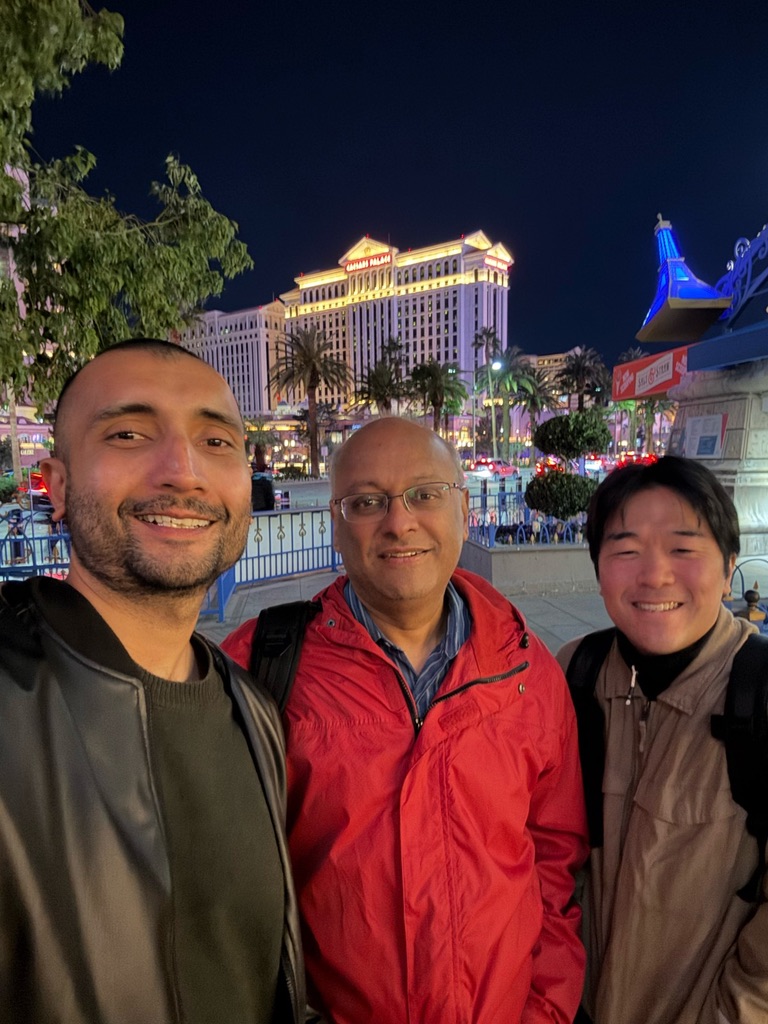
CES 2026 Las Vegas Strip
So were CES and NRF worth attending? Absolutely. Not just to see technology, but to understand where advertisers are placing their bets. The convergence of experiences, data, and commerce we observed signals a broader shift: OOH and DOOH are now core pillars of omnichannel strategy, not side channels.
And if I had three more days at each event? I’d use them to dive deeper into how these trends will actually be deployed in market, the real test of innovation isn’t what’s showcased on the floor, it’s what gets bought, integrated, and measured.

Nick Coston is the Vice President of Sales and Marketing for the Americas. He has been writing opinion pieces for the OOH industry for 10 years now.
A graduate with a master’s degree from Georgetown University and a Bachelor of Arts degree from the University of Wisconsin-Whitewater. Nick has been a part of OOH Media since 2001, both as an advertising salesperson and an OOH media buyer.
Scale up your OOH Ads with better ROAS today.