June 2, 2023
OOH: The Hottest Destination for Online Travel Brands to Reach Customers in 2026
Online travel brands have mastered performance marketing. You dominate search, optimize bids in real time, and retarget across every screen. Yet customer acquisition costs continue to rise, competition is relentless, and brand recall is fragile in a world of endless scrolling.
This is precisely why out-of-home (OOH) — especially digital out-of-home (DOOH) — has re-emerged as one of the most strategic channels for online travel brands today.
Globally, OOH is one of the fastest-growing traditional media channels, and digital formats now account for a rapidly increasing share of total OOH revenue. Industry research consistently shows that OOH drives strong brand recall and significantly amplifies digital performance when used in combination with mobile and online campaigns. For travel brands facing saturated digital ecosystems and rising CPMs, OOH offers something different: uncluttered attention in high-intent physical environments.
But the real opportunity isn’t just visibility. It’s integration.
At Moving Walls, we see OOH not as a standalone awareness tool, but as a performance amplifier for online travel brands — a channel that bridges the physical journey and the digital booking funnel.
Let’s explore why.
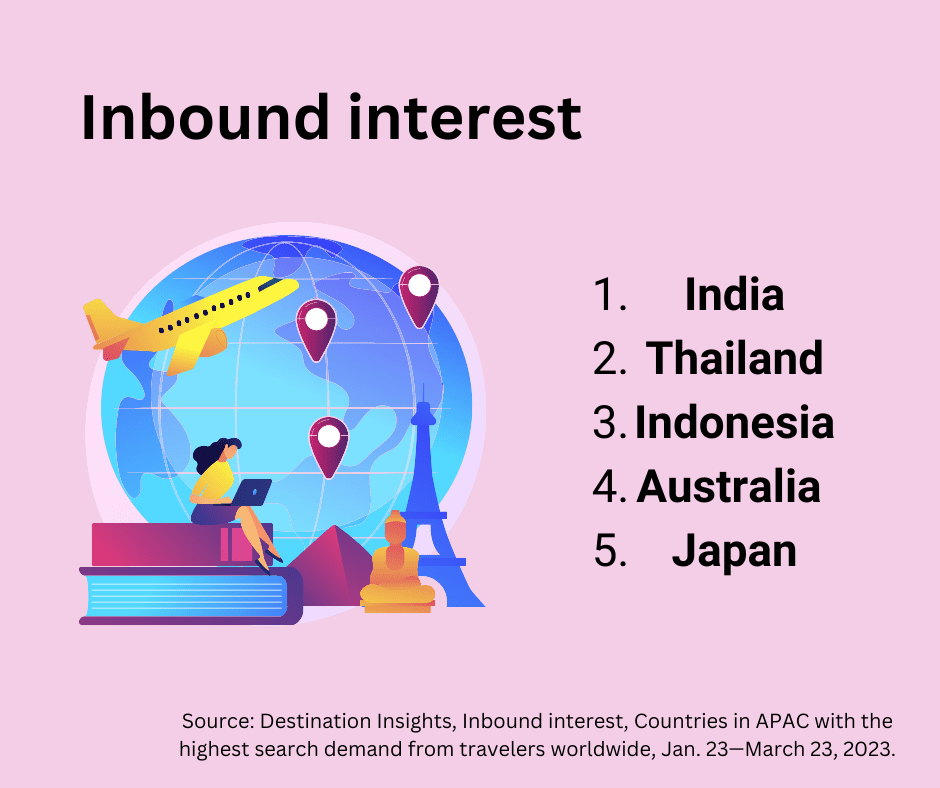
The Multi-Market Advantage: Driving Inbound Demand at Scale
Travel is inherently cross-border. Your customer might be searching in Mumbai, commuting in London, or departing from Dubai. OOH — particularly programmatic DOOH — allows you to activate campaigns across multiple markets simultaneously, without fragmented buying processes.
Recently, a Middle Eastern Tourism Board partnered with Moving Walls to run a multi-market campaign targeting outbound Indian travellers. Instead of blanket exposure, the campaign focused on high-dwell environments such as premium malls, business districts, and transit hubs in key Indian cities. Using audience data overlays, the brand narrowed down inventory aligned with affluent and frequent international travellers.
The result was not just mass visibility, but qualified visibility — driving measurable uplifts in travel searches and destination consideration.
For online travel brands, this same model applies. Whether you are promoting a travel app, a fare sale, or a seasonal package, programmatic DOOH allows you to:
- Launch in Europe and the Middle East simultaneously
- Activate inventory near visa centers, airports, and financial districts
- Optimize delivery based on audience movement patterns
Instead of treating markets separately, you orchestrate demand generation globally from a single platform.
That is where Moving Walls’ supply-side integrations and planning tools create a tangible advantage — giving online brands centralized control with localized precision.
Prime Inventory: Capturing Attention at High-Intent Moments
Travel decisions are deeply contextual. A digital banner shown during a work meeting competes with dozens of distractions. A large-format digital screen inside an international airport commands attention in a moment of anticipation.
Airports, metro stations, financial hubs, lifestyle malls — these are not random environments. They are high-intent spaces filled with individuals already thinking about mobility, leisure, or aspiration.
OOH works particularly well for travel brands because it aligns with consumer mindset. A traveller waiting to board a flight is more receptive to discovering a new destination or downloading a travel app. A commuter in a business district may be planning their next break.
Research consistently shows that OOH exposure drives higher mobile search activity shortly after exposure. For online travel brands, this translates into:
- Increased branded search volume
- Higher app store visits
- Improved conversion rates when retargeted digitally
Moving Walls enhances this further through impression measurement and attribution tools that connect physical exposure to mobile device data (in privacy-compliant ways). This transforms OOH from a “top-of-funnel” channel into a measurable contributor to online performance.
Strategic Touchpoints: Solving Rising Customer Acquisition Costs
One of the biggest challenges facing online travel brands today is escalating customer acquisition cost (CAC). Performance marketing alone is no longer sustainable at scale.
OOH helps rebalance the equation.
Instead of competing in auction-driven digital ecosystems, OOH provides high-reach brand priming that improves the efficiency of your lower-funnel campaigns. Studies have shown that campaigns combining OOH and mobile deliver stronger ROI than mobile alone because OOH builds familiarity before the click ever happens.
For travel brands, this means:
- Lower cost per app install when supported by OOH
- Higher click-through rates on retargeting ads
- Stronger trust signals in a crowded OTA marketplace
By using geo-fenced mobile retargeting around DOOH screens, brands can create a sequential journey: physical exposure followed by personalized mobile messaging. Moving Walls’ integrated planning capabilities make this orchestration seamless — ensuring OOH is not isolated from your digital stack but embedded within it.
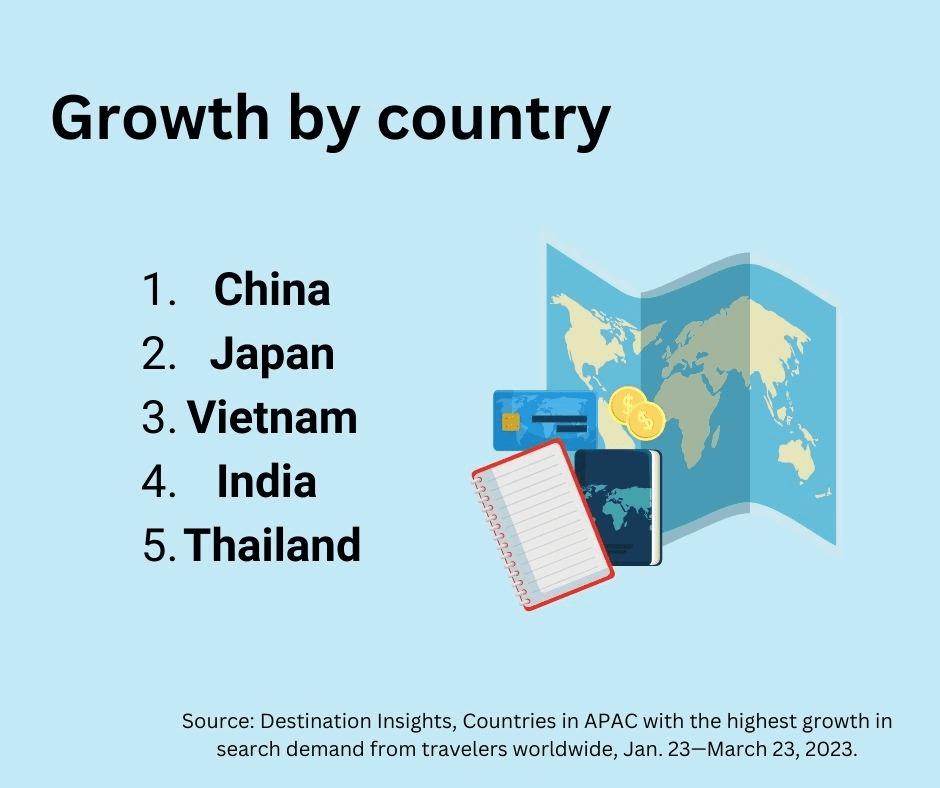
Dynamic Creative Optimization: Contextual Relevance at Scale
Digital out-of-home is no longer static. Creative can now adapt in real time.
For online travel brands, this is where strategy becomes powerful. Imagine:
- Promoting beach destinations when temperatures rise
- Highlighting ski holidays during cold snaps
- Showcasing last-minute deals during peak commute hours
- Featuring direct routes from the nearest airport
Through dynamic creative optimization (DCO), campaigns respond to weather, time of day, flight data, or audience movement patterns.
For app-driven brands, QR codes and short URLs displayed on DOOH screens can drive immediate downloads. When paired with unique tracking links, you gain visibility into which locations drive the highest engagement.
Moving Walls’ programmatic infrastructure enables this flexibility — allowing brands to swap creatives dynamically and optimize mid-campaign based on performance signals.
In a sector where timing and relevance influence booking decisions, this agility is critical.
From Awareness to Measurable Growth
OOH is often labeled an awareness channel. For online travel brands, that definition is outdated.
Today, OOH:
- Builds brand salience in a crowded digital landscape
- Primes consumers for online conversion
- Drives measurable search and app activity
- Integrates with mobile retargeting strategies
- Scales across multiple markets with centralized control
The “hottest destination” for online travel brands isn’t just another performance channel. It’s a channel that strengthens every other channel.
At Moving Walls, our focus is not simply to place your brand on screens. It is to connect audience intelligence, programmatic buying, creative flexibility, and attribution into one unified strategy — ensuring OOH drives real business outcomes, not just impressions.
As travel demand rebounds and global mobility accelerates, the brands that win will not be those shouting the loudest online. They will be the ones present at every stage of the traveller’s journey — from the street to the screen to the booking confirmation.
For online travel brands ready to move beyond rising digital costs and fragmented campaigns, OOH is no longer optional. It is strategic infrastructure.
And the runway for growth has never been clearer.
Scale up your OOH Ads with better ROAS today.